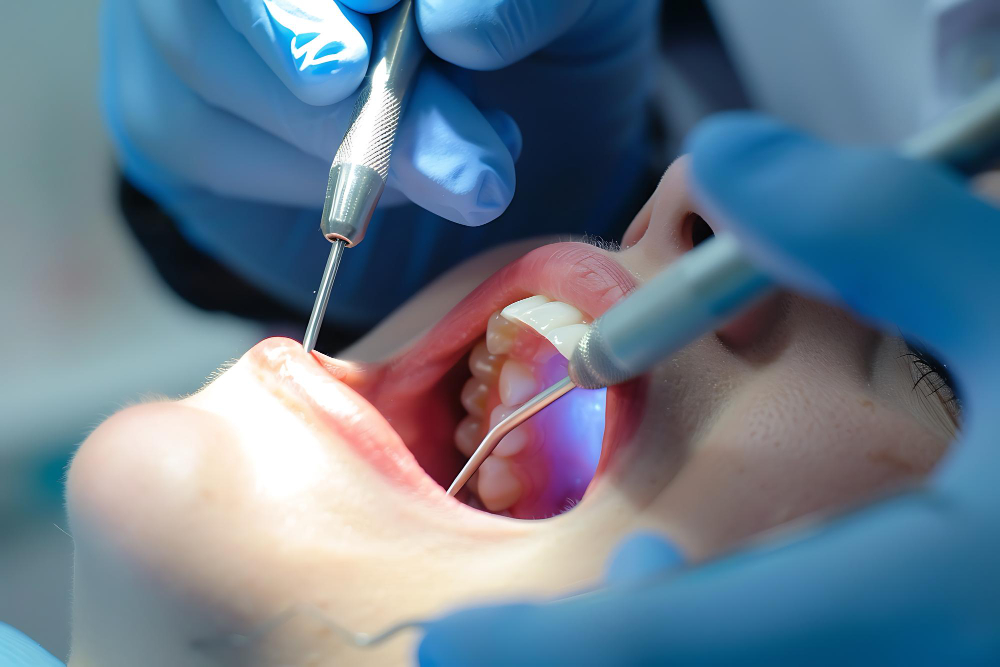
What is Composite Restoration?
Composite restoration is a dental treatment that uses tooth-colored material to repair damaged or decayed teeth. Dentists often call this a “tooth-colored filling.” Because it blends with your natural tooth, it is a popular choice. Many people choose composite restoration for both front and back teeth. In fact, this method is now common in dental clinics everywhere. If you search for “composite restoration near me,” you will find many dentists offering this service.
Benefits of Composite Restoration
There are several reasons why people prefer composite restoration. Not only does it look natural, but it also helps protect your tooth. Here are some key benefits:
Additionally, composite dental restoration benefits include fewer chances of tooth sensitivity. According to the American Dental Association, these fillings are safe and effective for most people.
Step-by-Step Procedure
Understanding the dental composite procedure can help you feel at ease. Here is what usually happens during a composite restoration:
Most composite restorations take less than an hour. However, larger fillings may need more time.
Aftercare and Maintenance Tips
Proper care helps your composite restoration last longer. While these fillings are strong, they still need attention. Here are some easy tips:
With good care, composite restorations can last 5 to 10 years or more. Still, every person is different. For best results, follow your dentist’s advice.
Risks and Limitations
Although composite restoration is safe, there are some risks and limits. For example, the material may stain over time, especially if you drink coffee or tea often. Also, composite fillings may not last as long as metal ones in large cavities. Sometimes, they can chip or wear down if you bite hard objects. However, most people do not have major problems. If you notice pain or changes, contact your dentist right away.
Frequently Asked Questions
In summary, composite restoration offers a natural look and strong repair for damaged teeth. If you want to know more or need treatment, consult your dentist at Arjun dental to find out if composite restoration is right for you.