What Causes Missing Teeth?
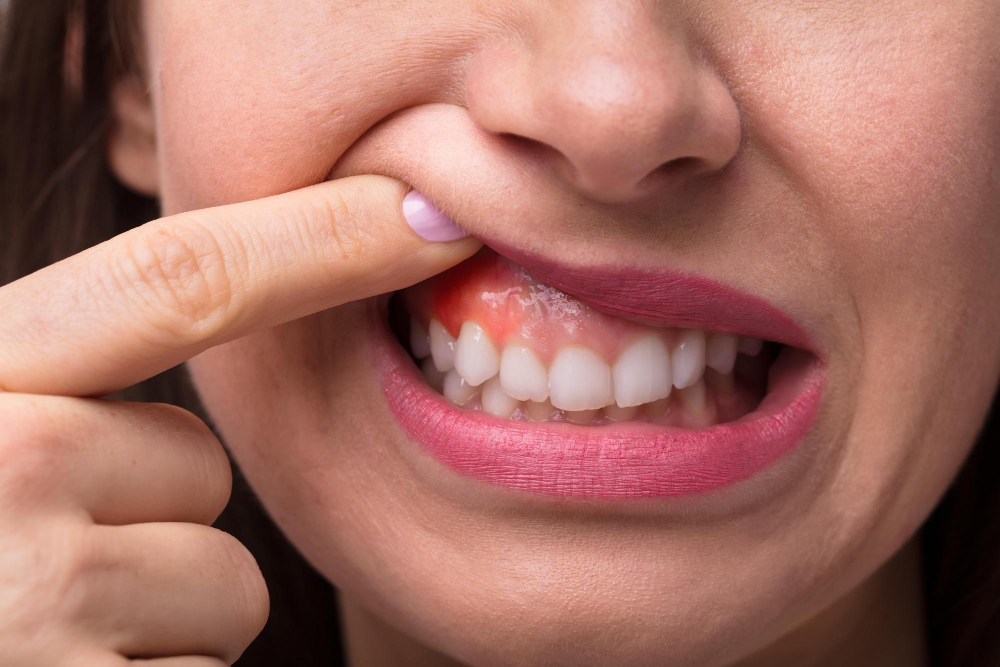
Many people lose teeth during their lives. Often, tooth loss happens because of gum disease or tooth decay. Sometimes, injuries or accidents can also cause teeth to fall out. In some cases, teeth may not grow in at all. According to the American Dental Association (ADA), adults lose teeth most often due to untreated dental problems. No matter the reason, missing teeth can affect your daily life.
Why Fix Missing Teeth?
Missing teeth can cause many problems. For example, chewing food may become harder. Also, your speech might change. Over time, your other teeth may shift out of place. This can lead to more dental issues. In addition, missing teeth can affect your smile and confidence. Because of these reasons, dentists recommend you fix missing teeth as soon as possible. Replacing missing teeth helps protect your oral health and keeps your mouth working well.
Overview: 3 Main Solutions
Today, there are three main ways to replace missing teeth. Each option has its own benefits and drawbacks. The most common tooth replacement options are:
Let’s look at each method to help you find the best way to fix missing teeth.
Dental Bridges: Pros, Cons, and Procedure
A dental bridge is a fixed device that fills the gap left by a missing tooth. It uses the teeth on either side of the gap for support. Usually, a dentist places crowns on these teeth and attaches a false tooth in between.
Pros of Dental Bridges
Cons of Dental Bridges
Because bridges use nearby teeth for support, they may not be right for everyone. Still, many people choose bridges for a fast way to fix missing teeth.
Dentures: Types, Benefits, and Drawbacks
Dentures are removable devices that replace missing teeth. There are two main types: full dentures (for all teeth) and partial dentures (for some teeth). Denture options have improved over the years, making them more comfortable and natural-looking.
Benefits of Dentures
Drawbacks of Dentures
Even though dentures are easy to get, some people find them less comfortable than other tooth replacement options.
Dental Implants: Advantages, Disadvantages, and Process
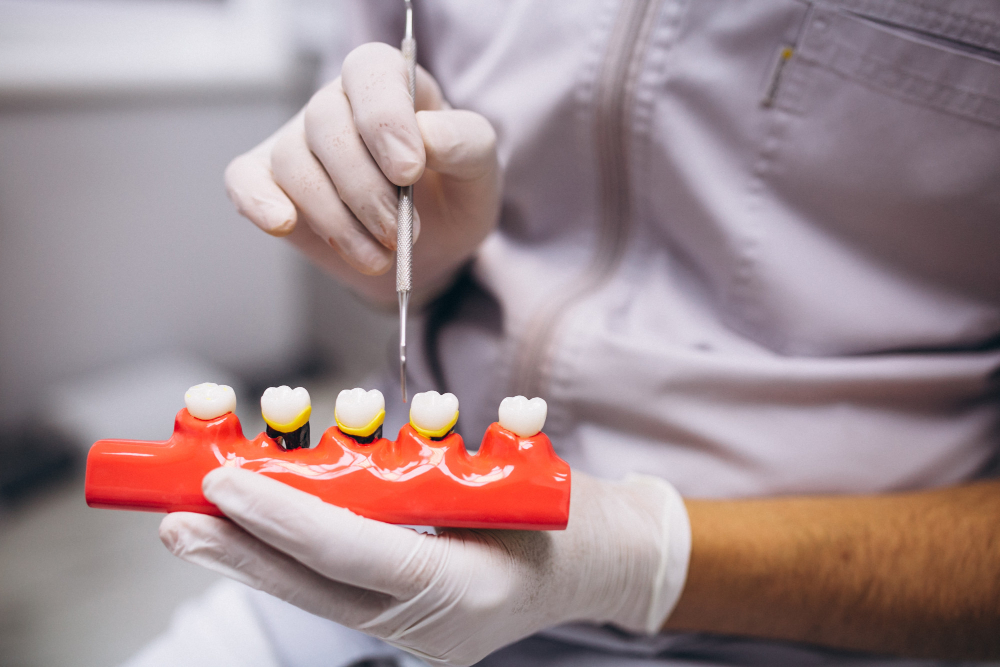
Dental implants are small metal posts placed in the jawbone. After healing, a dentist attaches a crown to the post. Implants look and work like real teeth. According to the CDC, dental implants have a high success rate and can last for many years.
Advantages of Dental Implants
Disadvantages of Dental Implants
Because implants need healthy gums and enough bone, your dentist will check if you are a good fit. Still, many people find implants to be the best way to fix missing teeth.
How to Choose the Right Option
Choosing the right way to replace missing teeth depends on your needs. For example, some people want a fast solution. Others may want a long-lasting fix. Here are some things to consider:
Because every mouth is different, it helps to talk to a dental specialist. They can explain the best tooth replacement options for you. You can also ask about local dentists or find a dentist near you for more advice.
Cost Comparison and Insurance Considerations
Costs for fixing missing teeth can vary. Usually, dentures are the least expensive. Bridges cost more, while implants are often the most costly. However, implants may last longer, which can save money over time. Dental insurance may cover some or all of the costs. Still, coverage depends on your plan. It is a good idea to check with your insurance provider before starting treatment. Some dental offices offer payment plans or discounts. You can also search for affordable tooth replacement options in your area.
Prevention Tips for Tooth Loss
While tooth replacement options are helpful, it is best to prevent tooth loss. Here are some tips to keep your teeth healthy:
Because prevention is easier than treatment, taking care of your oral health can help you avoid the need to fix missing teeth.
Conclusion
Missing teeth can affect your health and confidence. Thankfully, dental bridges, dentures, and implants offer good ways to replace missing teeth. Each option has pros and cons. Therefore, consult a dental specialist at Arjun Dental to find the best tooth replacement option for your needs.