What is Teeth Alignment?
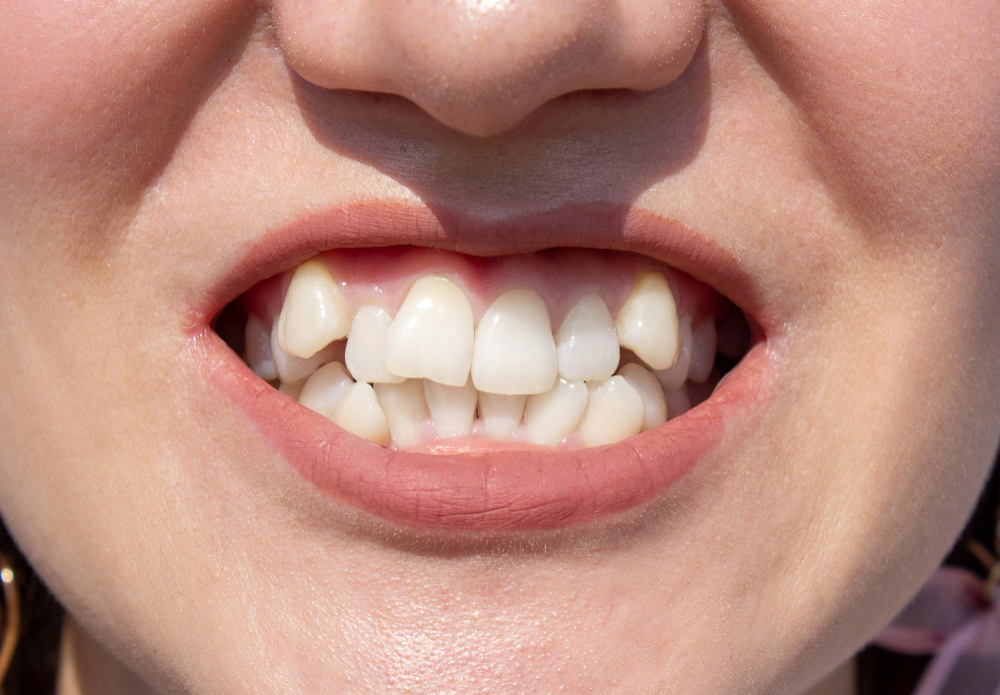
Teeth alignment means how your teeth fit together when you close your mouth. When teeth are straight and line up well, they are considered properly aligned. However, some people have teeth that are crooked, crowded, or have gaps. This is called poor alignment. Dentists often use the term “malocclusion” for this issue. Proper teeth alignment is important for both children and adults.
Why Teeth Alignment Matters
Teeth alignment matters for many reasons. First, straight teeth are easier to clean. This helps prevent cavities and gum disease. Also, when teeth fit together well, you can chew food better. As a result, your overall health improves. In addition, good alignment can boost your confidence and make you want to smile more. According to the American Dental Association, proper teeth alignment supports long-term oral health.
Common Problems Caused by Poor Alignment
Poor teeth alignment can lead to several issues. For example, you may notice:
Because these problems can affect daily life, it is important to address alignment early.
Benefits of Proper Teeth Alignment
There are many benefits of straight teeth. Not only do they look better, but they also help your mouth stay healthy. Some key benefits include:
Moreover, the importance of straight teeth goes beyond appearance. Good alignment supports your overall health.
How to Identify Alignment Issues
Sometimes, it is easy to spot crooked or crowded teeth. However, some signs are less obvious. For instance, you might notice:
If you see these signs, it may be time to visit a dentist. Early detection can prevent bigger problems later.
Treatment Options for Teeth Alignment
There are several ways to fix teeth alignment. Dentists will suggest the best option based on your needs. Common treatments include:
Because each person is different, your dentist will create a plan just for you. In many cities, you can find specialists who offer teeth alignment treatments.
Prevention and Oral Care Tips
While some alignment issues are genetic, you can still protect your teeth. Here are some tips:
With good oral care, you can help keep your teeth healthy and straight.
Conclusion
In summary, teeth alignment plays a big role in your oral health and confidence. Straight teeth are easier to clean, help you chew better, and lower your risk of dental problems. If you think you have alignment issues, do not wait. Consult a dental specialist at Naveen – Arjun Dental for personalized advice on teeth alignment.