What Are Bite Problems?
Bite problems happen when your teeth do not fit together as they should. Dentists call this a “malocclusion.” For example, your top and bottom teeth may not line up. This can lead to issues like overbite, underbite, or crowded teeth. Because bite problems affect how you chew and speak, they are important to address. According to the American Dental Association, many people have some form of bite alignment issue.
Common Types: Overbite, Underbite, and Crowded Teeth
There are several types of bite problems. Each type affects your mouth in a different way. Below are the most common types:
While each type is different, all can cause bite alignment issues if left untreated.
Symptoms of Bite Problems
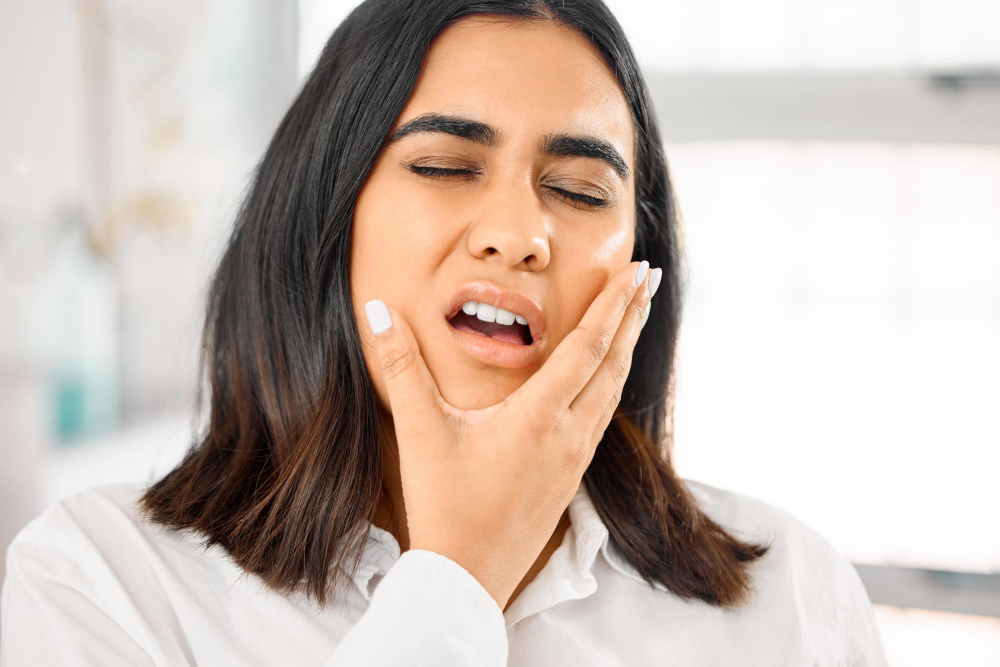
Bite problems can show up in many ways. Sometimes, the signs are easy to spot. Other times, they are more subtle. For example, you might notice:
Because these symptoms can affect daily life, it is important to talk to a dentist if you notice them.
Causes and Risk Factors
Bite problems can develop for many reasons. Some causes are present at birth, while others develop over time. For instance, common causes include:
Additionally, habits like nail-biting or chewing on objects can make bite problems worse. According to the CDC, early dental care can help prevent some of these risks.
How Bite Problems Are Diagnosed
To diagnose bite problems, dentists use several tools. First, they will look at your teeth and jaw during a dental exam. Next, they may take X-rays to see the position of your teeth and bones. Sometimes, dentists use dental molds to study your bite more closely. Because early diagnosis helps prevent future issues, regular dental checkups are important. The American Dental Association recommends seeing a dentist at least once a year for children and adults.
Treatment Options for Bite Problems
There are many ways to treat bite problems. The best treatment depends on your age and the type of issue. For example, common treatments include:
Because each person is different, your dentist or orthodontist will suggest the best plan for you.
Tips for Prevention and Oral Health
While not all bite problems can be prevented, good habits can lower your risk. For instance, you can:
Because early care is key, parents should watch for signs of bite alignment issues in children. The World Health Organization also recommends regular dental visits for lifelong oral health.
Conclusion
To learn more about your bite or teeth alignment, book a visit with at Naveen – Arjun Dental. Our team is here to help you find the right solution for a healthy, confident smile.