What Are Impacted Wisdom Teeth?
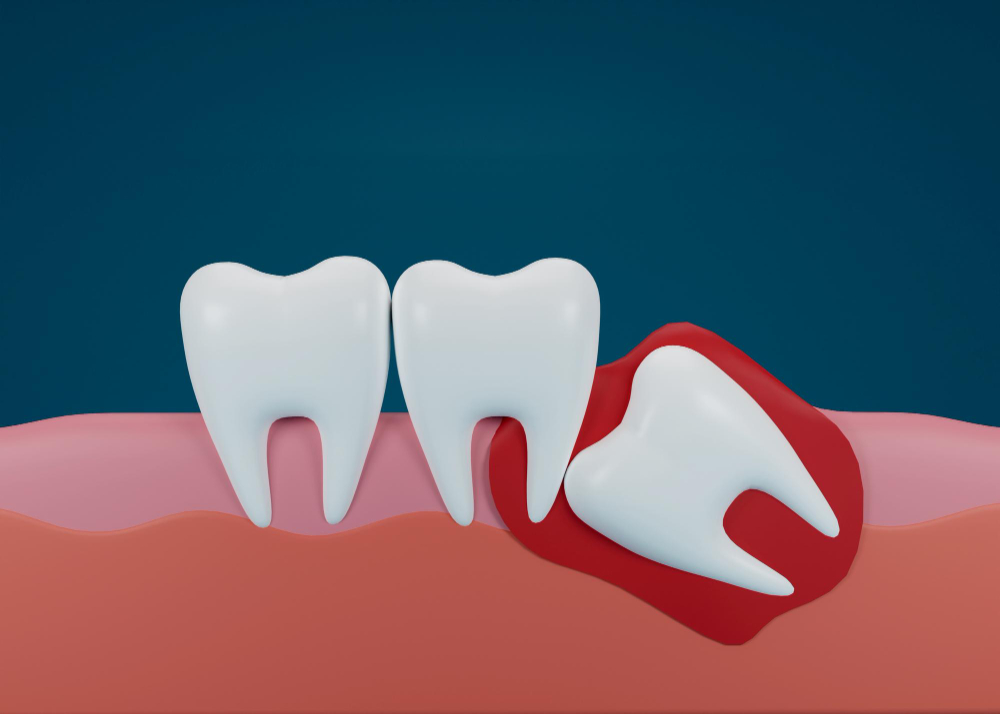
Impacted wisdom teeth are third molars at the back of your mouth that do not have enough space to grow. Because of this, they may stay trapped under the gum or only partly come out. Often, impacted wisdom teeth cause pain or swelling. In some cases, they may not cause any problems at first. However, they can lead to issues later if not treated. According to the American Dental Association, most people get their wisdom teeth between ages 17 and 25.
Common Symptoms of Impacted Wisdom Teeth
Many people notice signs of impacted wisdom teeth as they start to grow. Sometimes, the symptoms are mild. Other times, they can be severe. For example, you may feel wisdom tooth pain or see swelling in your gums. Here are some common symptoms:
Sometimes, these symptoms come and go. But if they last, you should see a dentist for wisdom teeth.
Causes of Impacted Wisdom Teeth
There are several reasons why wisdom teeth become impacted. First, your jaw may not have enough space for these teeth. As a result, the teeth cannot come out fully. Second, wisdom teeth may grow at an angle. This can push them against other teeth. Third, genetics can play a role. If your parents had impacted wisdom teeth, you might too. Lastly, late growth of wisdom teeth can cause crowding in your mouth.
How Impacted Wisdom Teeth Are Diagnosed
Dentists use several methods to diagnose impacted wisdom teeth. Usually, they start with a simple exam. They look for swelling, redness, or signs of infection. Next, they may take dental X-rays. X-rays help dentists see the position of your wisdom teeth. With these images, they can check if the teeth are stuck or growing sideways. Sometimes, a dentist for wisdom teeth may also ask about your symptoms. Early diagnosis helps prevent more serious problems.
Treatment Options for Impacted Wisdom Teeth
Treatment depends on your symptoms and the position of your teeth. In many cases, dentists recommend wisdom teeth removal. This is a common procedure. Here are some treatment options:
After removal, you may need a few days to heal. Most people recover quickly with proper care.
Prevention and Oral Care Tips
While you cannot always prevent impacted wisdom teeth, good oral care can help. For example, regular dental visits help catch problems early. Here are some tips:
With these steps, you can keep your mouth healthy and spot issues early.
When to See a Dentist
It is important to know when to seek help. If you notice signs of impacted wisdom teeth, do not wait. For instance, see a dentist if you have:
Early treatment can prevent bigger problems. Therefore, always talk to a dentist for wisdom teeth concerns.
Frequently Asked Questions
Do all wisdom teeth need to be removed?
No, not all wisdom teeth need removal. If they grow in straight and do not cause problems, your dentist may leave them.
Is wisdom tooth pain always a sign of impaction?
Not always. Sometimes, pain can come from other dental issues. However, wisdom tooth pain is a common sign of impaction.
How long does it take to recover after wisdom teeth removal?
Most people heal in a few days. But full recovery may take up to two weeks. Follow your dentist’s care instructions for best results.
Can impacted wisdom teeth cause other health problems?
Yes, they can lead to infections, damage to nearby teeth, or cysts. That is why early diagnosis is important.
Conclusion and Next Steps
In summary, impacted wisdom teeth can cause pain and other dental problems. Early signs include swelling, pain, and jaw stiffness. Because these teeth can lead to infection or damage, it is important to see a dentist for wisdom teeth concerns. Treatment options include observation, medication, or wisdom teeth removal. Good oral care and regular dental visits help prevent serious issues. For personalized advice on impacted wisdom teeth, consult a dentist at Naveen – Arjun Dental.