What Are Dental Implants?
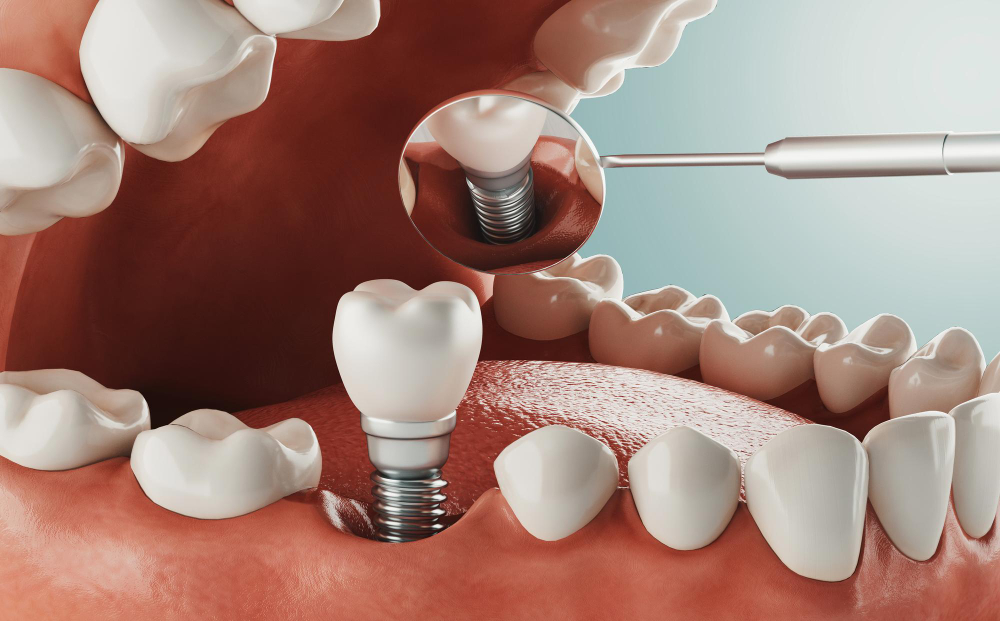
Dental implants are small posts made of metal. Dentists place them in your jawbone to replace missing teeth. Over time, the bone grows around the implant. As a result, the implant becomes stable. Then, a dentist attaches a crown, bridge, or denture to the implant. This creates a natural-looking tooth. According to the CDC, dental implants are a safe and long-lasting solution for tooth loss.
Who Is a Candidate for Dental Implants?
Many people wonder, “who needs dental implants?” Not everyone is a candidate. However, many adults can get them. Here are some factors that affect dental implant candidacy:
Therefore, a dentist will check your health and mouth before recommending implants.
Common Reasons People Need Dental Implants
People choose dental implants for many reasons. For example, you may need them if you:
In addition, implants can help keep your jawbone healthy. Missing teeth can cause bone loss over time.
Benefits of Dental Implants
Dental implants offer many benefits. For instance, they:
Because of these benefits, many people prefer implants over other options.
Considerations and Possible Limitations
Even though dental implants are helpful, there are some things to consider. For example:
Therefore, it is important to talk with your dentist about your health and budget.
How to Determine If You Need Dental Implants
If you wonder, “are dental implants right for me?” you should see a dental specialist. The process usually includes:
After the exam, your dentist will explain your options. Sometimes, other treatments may be better for you.
Prevention and Oral Care Tips for Implant Longevity
Once you have dental implants, good care is important. Here are some tips to help your implants last:
With proper care, dental implants can last many years. In fact, studies in dental journals show high success rates for implants.
Conclusion: Is a Dental Implant Right for You?
In summary, dental implants are a strong, natural-looking way to replace missing teeth. However, not everyone is a candidate. Your age, health, and bone strength all matter. Therefore, consult a dental specialist Dr. Naveen at Arjun Dental Clinic to find out if dental implants are right for you.