
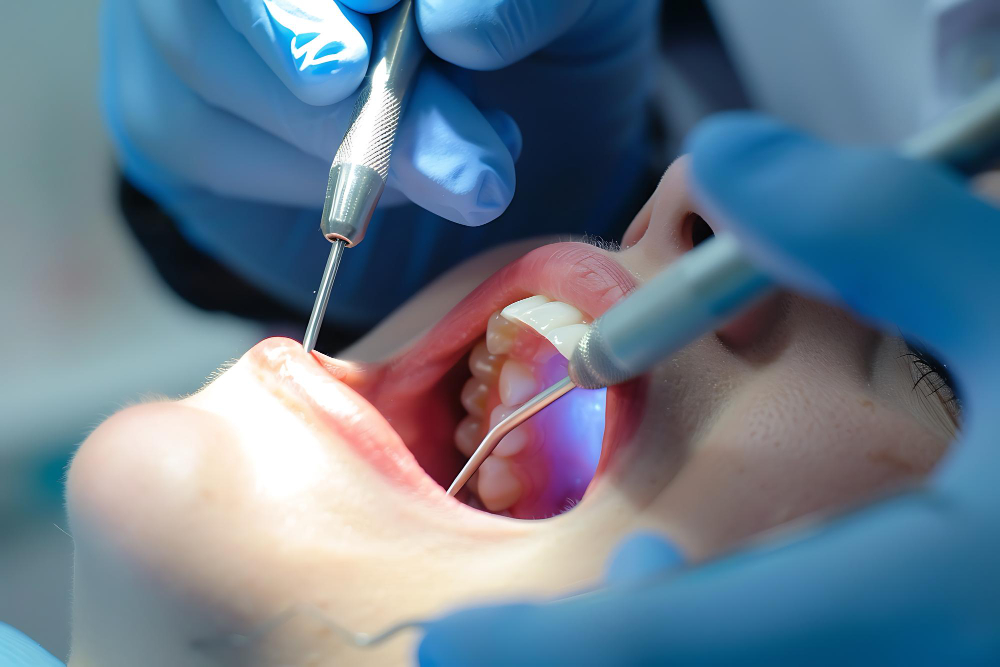
Introduction: What Is Root Canal Treatment?
Root canal treatment is a dental procedure that saves a tooth with deep infection or damage. Dentists use this treatment to remove infected tissue from inside the tooth. As a result, you can keep your natural tooth instead of having it removed. According to the American Dental Association, root canal treatment is safe and effective. Many people worry about pain, but modern methods make the root canal procedure comfortable.
Symptoms Indicating the Need for a Root Canal
Sometimes, tooth pain signals a deeper problem. If you notice any of these signs, you may need a root canal treatment:
However, not all tooth pain means you need a root canal. Only a dentist can confirm the cause.
Causes Leading to Root Canal Treatment
Several issues can damage the inside of your tooth. For example, deep cavities, cracks, or repeated dental work may harm the tooth’s pulp. Sometimes, an injury to the mouth can also cause pulp damage. If bacteria reach the pulp, infection can develop. In these cases, root canal treatment is often needed to save the tooth.
Diagnosis Process
First, your dentist will ask about your symptoms. Next, they will examine your mouth and take X-rays. X-rays help show the extent of the infection or damage. Sometimes, your dentist may tap on the tooth or check for swelling. After reviewing all the information, your dentist will decide if a root canal procedure is the best option.
Step-by-Step Root Canal Treatment Procedure
Knowing what to expect can ease your worries. Here are the main steps in a root canal procedure:
Most root canal treatments take one or two visits. Although you may feel pressure, the procedure is usually not painful.
Benefits of Root Canal Treatment
Root canal treatment offers many advantages. For instance, it helps you keep your natural tooth. This is important for chewing and speaking. Other benefits include:
According to the American Association of Endodontists, most teeth treated with root canal procedures last a lifetime.
Aftercare and Recovery Tips
After your root canal treatment, proper care helps your tooth heal. Here are some tips for a smooth recovery:
Most people return to normal activities the next day. However, follow your dentist’s advice for the best results.
Prevention of Future Dental Issues
Good oral care can help prevent the need for future root canal treatments. For example, you should:
By following these steps, you can lower your risk of tooth decay and injury.
Frequently Asked Questions (FAQs)
For more details, consult your dentist at arjun dental for personalized advice on root canal treatment.